
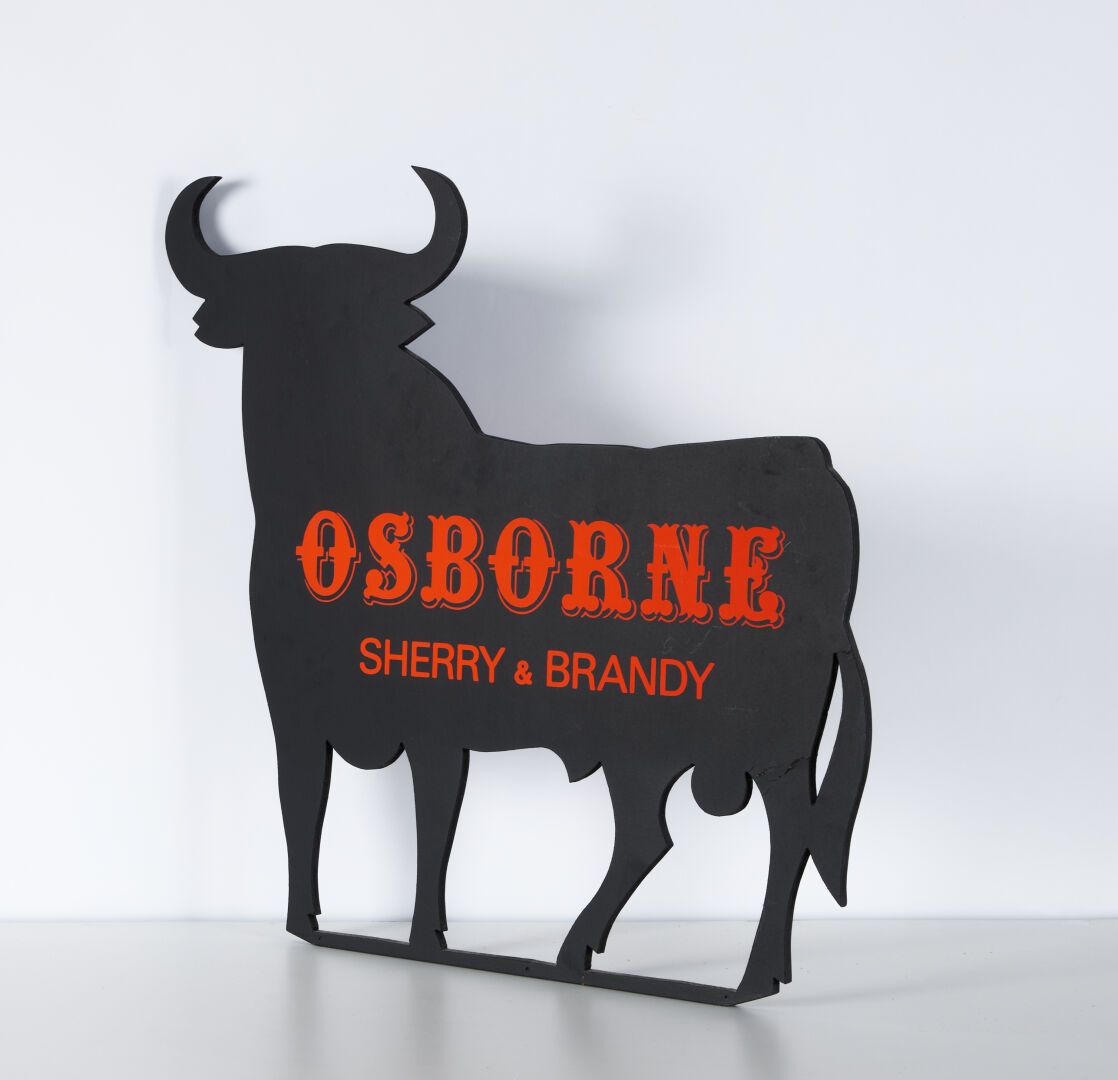
The case of Osborne’s Bull is unique in the marketing landscape because, rather than being a failure, it represents a case in which an advertising campaign has transcended its original purpose and turned into a cultural symbol deeply rooted in a nation’s identity. This unconventional path began in the 1950s in Spain with the Osborne alcoholic beverage company.
In 1956, the Osborne company decided to promote its brandy de Jerez with large billboards placed along Spanish streets. The design was simple but effective: a large black bull standing upright, imposing silhouette against the sky, which soon became known as “Toro de Osborne.” Originally, these billboards were purely promotional, intended to catch the attention of travelers and encourage the consumption of Osborne brandy.
However, as time went on, the Bull began to be perceived not only as an advertising symbol, but as an integral part of the Spanish landscape. This perception was reinforced in 1994, when the Spanish government, as part of a law aimed at reducing visual pollution along roads, ordered the removal of billboards, including Osborne’s Bulls.
The removal order triggered an unexpected wave of public support for the bulls. People saw them no longer as mere advertising media, but as cultural icons representing Spain itself. Faced with such a reaction, the government decided to backtrack, allowing the Bulls to stay as long as they were deprived of any commercial references. Since that time, Osborne’s Bull has been officially recognized as part of Spain’s cultural heritage.
Today, the silhouettes of Toro de Osborne continue to dominate Spanish landscapes, beloved by locals and tourists alike. These bulls have become unofficial symbols of Spain, representing the strength, pride and tenacity of the Spanish people. The case of Osborne’s Bull shows how sometimes marketing can generate unexpected results, turning a simple ad into a lasting and meaningful symbol for entire communities.


